
"peel beans"
10000 article(s) found
Differences in flavor and taste of coffee beans treated with water washing and sun treatment in Honduras
Introduction to the flavor and taste of Honduran coffee beans by sun washing, high-quality coffee in Honduras uses water washing to deal with coffee beans, usually after soaking, when soaking, defective fruits will surface, and then they can flow away and discard them. Then put the good fruit into the fruit peeling machine and peel off the peel with the rotating force of the machine. Peeled fruit in the classics

Flavor and taste of Honduran coffee beans introduction to the characteristics of grinding scale in manor production area
The flavor and taste of Honduran coffee beans the characteristics of the manor production area grinding scale introduces that high-quality coffee in Honduras uses a washing method to deal with coffee beans, usually after soaking, when soaking, the defective fruit will surface and can be discarded first. Then put the good fruit into the fruit peeling machine and peel off the peel with the rotating force of the machine. Peeling

Flavor description of Honduran Coffee beans introduction to Grinding and Calibration treatment of taste Brand characteristics
The flavor description of Honduran coffee beans the characteristics of the brand grinding and scale treatment introduces that high-quality coffee in Honduras uses a washing method to treat coffee beans, usually after soaking, when soaking, the defective fruit will surface and can be discarded first. Then put the good fruit into the fruit peeling machine and peel off the peel with the rotating force of the machine. Peeled

Introduction to the production methods and treatment methods of coffee beans
After harvest, peel, pulp, racing peel and silver peel should be removed before shipping and listing. There are two kinds of methods: drying (also known as natural or non-washing) and washing. The drying method is relatively simple. First of all, spread the freshly harvested fruit on the sun field for a week or two until the fruit crackles and dries naturally. After that, the dried pulp is removed by a sheller.

Description of taste and flavor of Honduran coffee beans introduction to the producing areas of varieties
The high-quality coffee in Honduras uses the washing method to deal with the coffee beans, usually after soaking, when soaking, the defective fruit will surface and can be discarded first. Then put the good fruit into the fruit peeling machine and peel off the peel with the rotating force of the machine. Peeled

Flavor and taste of coffee beans in Honduras A brief introduction to the Development of planting Environment
High-quality coffee in Honduras uses water washing to deal with coffee beans, usually after soaking, when the defective fruit will surface, it can be discarded first. Then put the good fruit into the fruit peeling machine and peel off the peel with the rotating force of the machine. Peeled fruits are screened by machines to select fruits of high quality. Usually the bigger the fruit.

High-quality Honduran Coffee with mild temperature introduces Santa Barara Manor in San Juan Heido region
High-quality coffee in Honduras uses water washing to deal with coffee beans, usually after soaking, when the defective fruit will surface, it can be discarded first. Then put the good fruit into the fruit peeling machine and peel off the peel with the rotating force of the machine. Peeled fruits are screened by machines to select fruits of high quality. Usually the bigger the fruit.

What is the name of the peel on the outside of the coffee fruit? efficacy and function
What is the outer skin of the coffee fruit called? efficacy and function the coffee fruit is covered with a hard outer skin (cut skin), an inner layer of gelatinous pulp (pulp), an inner layer of endocarp (parchament), and a skin tightly wrapped around the seeds called silver skin, and the inside is wrapped in green seeds, that is, coffee beans. Seeds are usually in groups of two

Flavor description and treatment of coffee beans in Honduras introduction to manors in producing areas
For coffee production in Honduras, the geographical conditions of Honduras are no less than those of its neighboring coffee producing countries such as Guatemala and Nicaragua. There are 280000 hectares of coffee plantations in Honduras, mainly small coffee plantations, most of which are less than 3.5ha. These coffee plantations account for 60% of the total coffee production in Honduras. In the coffee garden.

Coffee knowledge production method of high-quality coffee
After harvest, peel, pulp, racing peel and silver peel should be removed before shipping and listing. There are two kinds of methods: drying (also known as natural or non-washing) and washing. The drying method is relatively simple. First of all, spread the freshly harvested fruit on the sun field for a week or two until the fruit crackles and dries naturally. After that, the dried pulp is removed by a sheller.

A brief introduction to the treatment of characteristic Flavor Grinding degree and baking degree in the Coffee Bean producing area of Honduras in Central America
High-quality coffee in Honduras uses water washing to deal with coffee beans, usually after soaking, when the defective fruit will surface, it can be discarded first. Then put the good fruit into the fruit peeling machine and peel off the peel with the rotating force of the machine. Peeled fruits are screened by machines to select fruits of high quality. Usually the bigger.
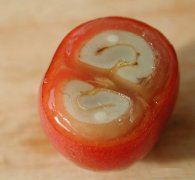
Boutique coffee bean knowledge coffee bean anatomy
Coffee bean close-up, coffee bean internal cross-section map of the coffee fruit after the peel of the freshly ripe coffee fruit on the tree, the coffee fruit without the peel, inside two coffee beans with endocarp, silver peel coffee bean coffee fruit internal structure (coffee fruit includes exocarp, mesocarp, pectin layer, endocarp, coffee bean silver skin, endosperm, embryo.) Internal knot of coffee beans

Knowledge of boutique coffee beans dissecting the interior picture of coffee beans
Coffee bean close-up, coffee bean internal cross-section map of the coffee fruit after the peel of the freshly ripe coffee fruit on the tree, the coffee fruit without the peel, inside two coffee beans with endocarp, silver peel coffee bean coffee fruit internal structure (coffee fruit includes exocarp, mesocarp, pectin layer, endocarp, coffee bean silver skin, endosperm, embryo.) Internal knot of coffee beans

Coffee bean close-up cross-section of coffee bean inside
Coffee bean close-up, coffee bean internal cross-section map of the coffee fruit after the peel of the freshly ripe coffee fruit on the tree, the coffee fruit without the peel, inside two coffee beans with endocarp, silver peel coffee bean coffee fruit internal structure (coffee fruit includes exocarp, mesocarp, pectin layer, endocarp, coffee bean silver skin, endosperm, embryo.) Internal knot of coffee beans

Coffee treatment what is the difference between the general washing method and the Kenyan natural fermentation washing method?
Professional coffee knowledge exchange more coffee bean information please follow the coffee workshop (Wechat official account cafe_style) Qianjie Coffee introduction Coffee treatment comparison between general washing method and Kenyan natural fermentation washing method. 1. The first is general washing: [natural fermentation washing treatment A] process: harvesting, peeling, natural fermentation, 12-24 hours washing and sun drying [natural hair]

Characteristics of flavor description of coffee beans in Honduras A brief introduction to the historical background of taste development in varieties
High-quality coffee in Honduras uses water washing to deal with coffee beans, usually after soaking, when the defective fruit will surface, it can be discarded first. Then put the good fruit into the fruit peeling machine and peel off the peel with the rotating force of the machine. Peeled fruits are screened by machines to select fruits of high quality. Usually the bigger the fruit.
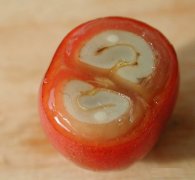
Illustration of coffee | dissection of the internal structure of coffee beans
Coffee bean close-up, coffee bean internal cross-section map of the coffee fruit after the peel of the freshly ripe coffee fruit on the tree, the coffee fruit without the peel, inside two coffee beans with endocarp, silver peel coffee bean coffee fruit internal structure (coffee fruit includes exocarp, mesocarp, pectin layer, endocarp, coffee bean silver skin, endosperm, embryo.) Internal knot of coffee beans

A close-up of dissecting coffee beans.
Coffee bean close-up, coffee bean internal cross-section map of the coffee fruit after the peel of the freshly ripe coffee fruit on the tree, the coffee fruit without the peel, inside two coffee beans with endocarp, silver peel coffee bean coffee fruit internal structure (coffee fruit includes exocarp, mesocarp, pectin layer, endocarp, coffee bean silver skin, endosperm, embryo.) Internal knot of coffee beans
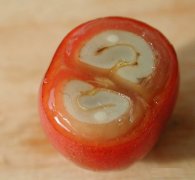
Dissection of coffee beans (9 pictures)
Coffee bean close-up, coffee bean internal cross-section map of the coffee fruit after the peel of the freshly ripe coffee fruit on the tree, the coffee fruit without the peel, inside two coffee beans with endocarp, silver peel coffee bean coffee fruit internal structure (coffee fruit includes exocarp, mesocarp, pectin layer, endocarp, coffee bean silver skin, endosperm, embryo.) Internal knot of coffee beans